
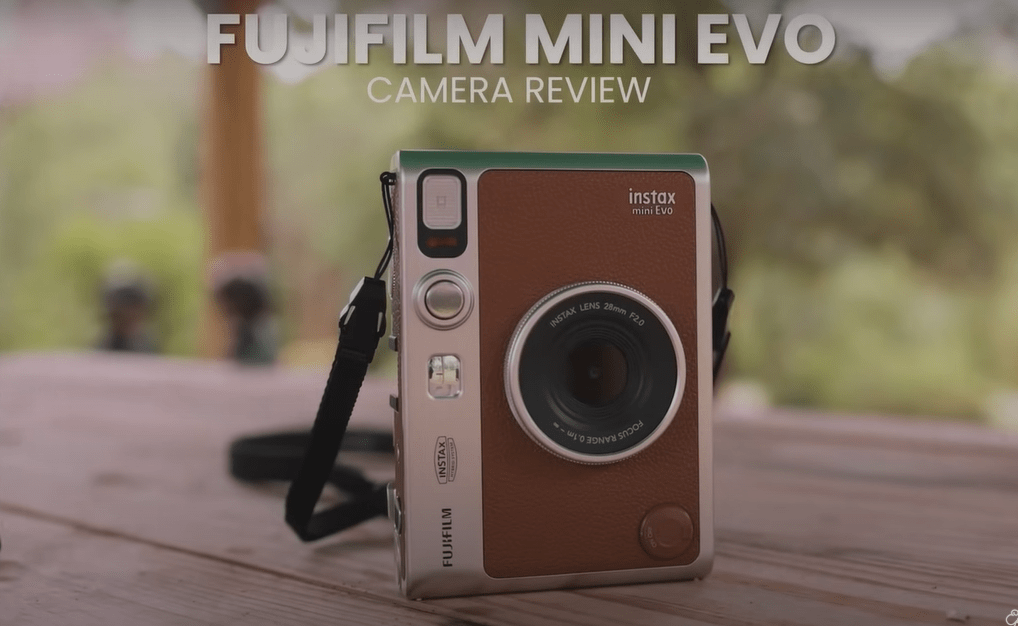
Fujifilm Instax Mini Evo Review: The Hybrid Camera You’ll Love
The Fujifilm Instax Mini Evo is a compact Polaroid camera that combines digital and analog functions, offering instant prints, Bluetooth, USB, a 3.0″ LCD screen, ISO 800, 10 filters, lens effects, and a selfie mirror. With 100 shots of battery life, sharp image quality, and creative features, it’s a versatile instant camera for travel, social events, and retro photography.
Fujifilm Instax Mini Evo Review
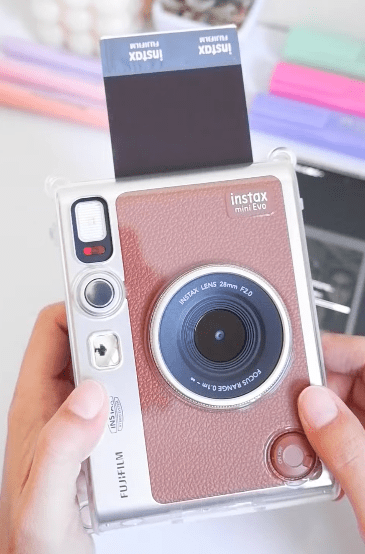
🎞️ A Stylish Blend of Retro and Modern
The Fujifilm Instax Mini Evo is a Polaroid camera that captures every unique moment with charm. It’s a popular product on the market because it mixes digital and analog functions, giving you both modern ease and that nostalgic feeling of instant film. I’ve used it during family gatherings, and the way the photos print instantly feels just like the classic Polaroid experience, but with better features. Its compact design makes it easy to carry, yet it feels high-quality in hand.
📸 Creative Tools for Every Shot
With a 3.0″ LCD screen for display and adjustment options, composing shots feels natural. The 54 x 86 mm print size and ISO 800 film give sharp results. You can explore advanced photo functions like experimenting with 10 filters, effects, and even playful lens effects using the function ring on the lens. I love the creative freedom—it’s impressive how much you can compose and create different moods with these simple tools.
🔗 Smart Connections and Practical Use
What stands out is how Bluetooth and USB make sharing so easy. You can print straight from a mobile phone, turning the Evo into a Bluetooth printer for your mobile photos. The dual shutter and mirror on the front make selfies more fun, and the top-ranked design feels both sleek and user-friendly. Saving images through the USB-C output is practical, and storing your memorable collections makes it a versatile alternative to other models.
⚡ Power, Portability, and Alternatives
Even though it’s small and light, the Evo gives a solid battery life with about 100 photos powered by two CR2 batteries—great for long photo sessions without worry. For those wanting a simpler, cheaper entry model, the Instax Mini 11 is a basic option, while the Fujifilm Instax Mini LiPlay offers hybrid fun with added digital creativity. I’ve also compared it with the Polaroid Go Generation 2 White, but the Evo feels like the most stylish and functional option for amateurs and even photographers who want personal, artistic techniques. It’s not the cheapest, and yes, storage is a bit limited with a vertical interface, but overall, the image quality and functionality make it nearly perfect for anyone who loves instant photography.
Pros
- Compact, stylish design with a premium feel
- 10 filters + lens effects for creative shots
- Bluetooth & USB for easy phone printing
- 100 photos battery life with two CR2 batteries
- 3.0″ LCD screen to preview and adjust
Cons
- Limited storage for saved photos
- Vertical interface only
- Higher price than entry models
📝 Conclusion
The Fujifilm Instax Mini Evo is more than a Polaroid camera—it’s a perfect mix of digital and analog functions. Its compact style and creative freedom make every moment feel special. With smart Bluetooth and USB connections, it turns into a Bluetooth printer for your mobile photos. The battery life is reliable, letting you shoot up to 100 photos without worry. While storage is limited and the interface stays vertical, the Evo still stands out as the most stylish and versatile alternative on the market. Whether you’re an amateur or an experienced photographer, it delivers both personal and artistic techniques, giving you that classic Polaroid experience with modern power.

Fujifilm Instax Mini Evo Buying Guide
🎯 Travel-Friendly Instant Camera Choice
The Fujifilm Instax Mini Evo is a smart pick if you want a compact, light, and travel-friendly camera that you can easily carry without feeling cumbersome. I’ve taken it on short trips, and the balance between size, weight, and functionality feels just right. Unlike some bigger cameras, this one is easy to handle and transport, making it a reliable companion to capture spontaneous moments with good quality.
🌈 Image Quality and Creative Features
When it comes to image quality, the Evo produces sharp, vivid prints with pleasing color correction and light adjustment. Even in weak or strong light, you can tweak the settings to expose correctly and get a high-quality final result. The camera supports creative photography with flexible angles, compositions, and light effects. With advanced tools like macro focusing, digital hybrid functions, and smooth color rendering, both professional and amateur photographers can explore unique styles.
⚡ Film, Prints, and Value for Money
The Evo works well with Instax Mini film, which is more economical compared to Polaroid film like the Polaroid Now+ Generation 2 or Polaroid Go Generation 2 White. While film can feel expensive, this camera offers a solid solution for those on a tighter budget. The print speed is fast, making it fun to share photos directly with friends. Whether you need fast prints for travel albums or want something unique to keep in your collection, the Evo keeps the fun and detail alive without breaking the bank.
Fujifilm Instax Mini Evo Tips and Use
📸 Getting Better Photos
With the Fujifilm Instax Mini Evo, learning a few tips can really improve your photos. Always check the light around you—too much and your shots may look overexposed, too little and you lose details. Use the settings wisely to keep a good balance, and try different photo techniques like changing angles or testing new compositions. Playing with light effects makes your shots more creative and can give a unique look, almost like professional work. I found this especially helpful when comparing it with the Fujifilm Instax Mini 40, as both models produce fun results, but the Evo offers more flexibility.
🧰 Care and Maintenance
Good care ensures long-lasting quality. Always clean the lenses gently with a soft cloth to remove dirt and dust. Keep the camera away from damage, extreme temperatures, or heat, and store it in a dry, safe place, preferably inside a bag or case for extra protection. Also, make sure film rolls are handled the correct way. A damaged roll can ruin the results, so keep it away from strong light and store it in a dark, cool spot. This is true for any type of film, but if you want the sharpest and most vivid prints, careful handling is key.
Fujifilm Instax Mini Evo FAQ’S
Can I use my camera tripod with a Polaroid camera?
Using a Polaroid camera with a tripod reduces blur from handshakes, improves image quality in low light, and supports long exposure times. It keeps the camera stable, makes photo settings easier, and gives sharper, professional, and creative photos.
Are Polaroid cameras environmentally friendly?
Polaroid cameras are not usually the most eco-friendly choice compared to digital cameras, since they need single-use film and chemicals to develop photos, which can create more waste. However, newer film types are more recyclable and biodegradable, helping to reduce environmental impact. It’s also important to manage batteries properly by using rechargeable options or recycling them, so the overall Polaroid experience can become more sustainable and environmentally friendly.
How do temperature and environment affect my Polaroid photos?
Temperature and environment can strongly affect the quality and lifespan of your Polaroid photos. Extreme heat or cold can damage the film’s chemicals, leading to faded colors or underexposed images. Too much humidity may cause mold or stains, while direct sunlight can make prints fade. To keep the best results, always store film at room temperature and avoid exposing it to harsh weather conditions. Handle your prints with care and don’t leave them in damp or hot environments for long.